Lake Nakuru National Park draws thousands of visitors a year. But one question trips up a lot of first-time planners: can I see the Big Five in Lake Nakuru? The honest answer is four out of five. Lion, leopard, buffalo and rhino all live here, and rhino sightings in particular are some of the most reliable in Kenya. Elephants are the animal missing from the list, so if a full Big Five sighting on one trip matters to you, this park cannot deliver it alone. The good news is that Nakuru sits close enough to Nairobi to work as a short add-on safari, and it pairs easily with a longer trip elsewhere. Here is what you can actually expect, animal by animal, plus where to look and when to go.
Can I See the Big Five in Lake Nakuru?
You can see four of the Big Five in Lake Nakuru National Park: lion, leopard, Cape buffalo and rhinoceros. Elephants are not resident in the park, so seeing all five is not realistic on a Nakuru-only safari. Rhino sightings are especially dependable, while leopard sightings require patience and good timing.
That makes Lake Nakuru a strong choice for travelers who want dependable rhino viewing and a compact, easy-to-navigate park. It is not the right single stop for anyone chasing a complete Big Five checklist. Many visitors pair a day or two here with a longer stint in the Maasai Mara or Amboseli. That fills the elephant gap and adds more open plains game viewing. If the Big Five checklist is your main goal, it helps to read up on whether you can see the Big Five in Amboseli before you finalize an itinerary. You can also compare notes on the general Big Five in Kenya before deciding how many parks to include.
Which Big Five Animals Live in Lake Nakuru?
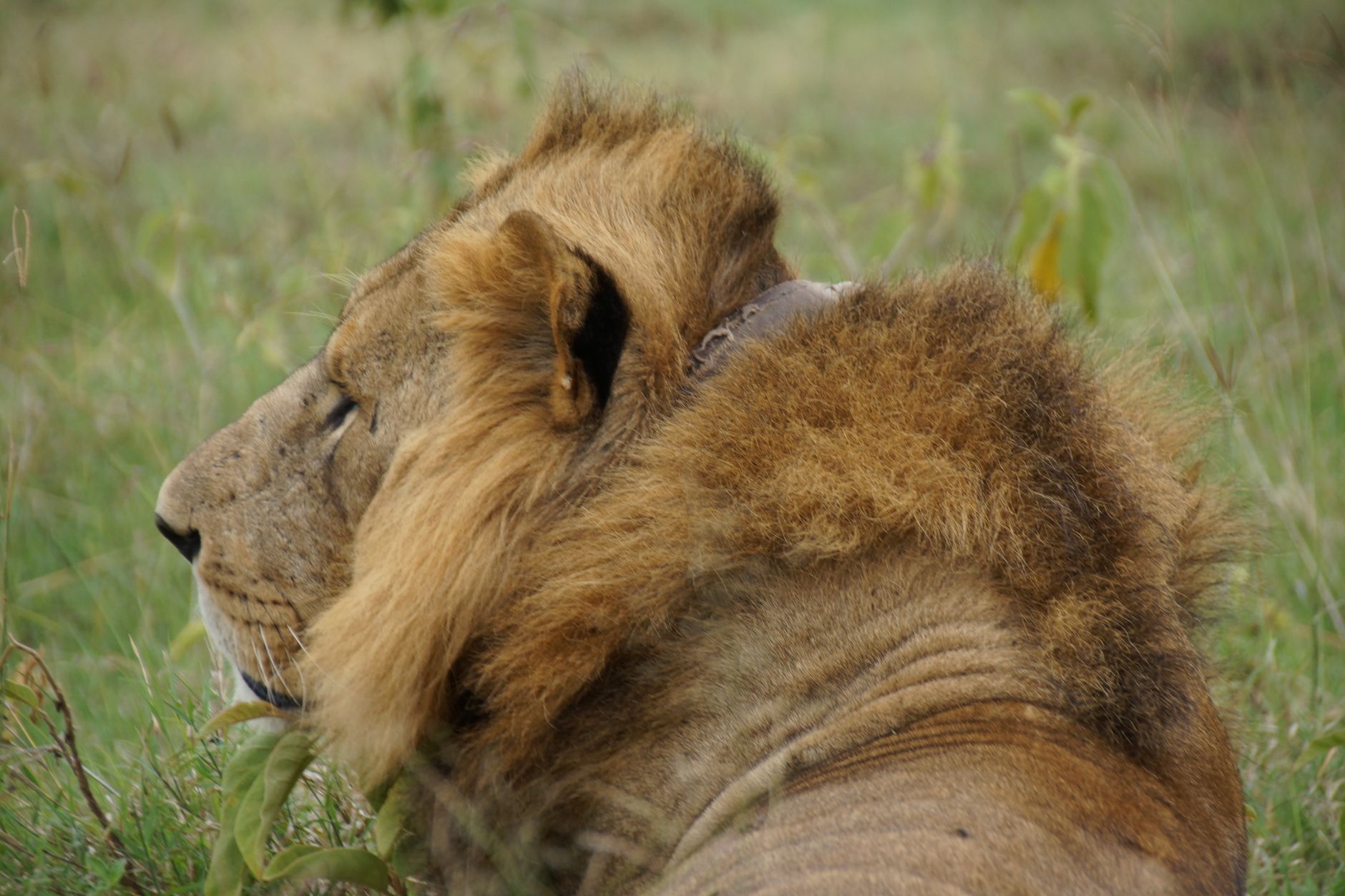
Lake Nakuru supports both black and white rhinos, Cape buffalo, lions and leopards. White rhinos are usually the easiest Big Five animal to find, and buffalo are widespread. Lions may be seen in open grassland or resting in trees, while leopards are present but more elusive in wooded habitat.
The park was originally fenced as a rhino sanctuary, and that history still shows in the numbers. Lake Nakuru National Park wildlife counts include a genuinely strong rhino population for a park of its size, and guides here spend a lot of time around known rhino territory. Buffalo herds are common enough that most visitors see them within the first hour of a game drive. Lions are present in healthy numbers too, and Nakuru is one of the few Kenyan parks where tree climbing lions have been documented resting in the branches of fever trees and acacias. This behavior is more commonly associated with Uganda’s Ishasha sector, but it happens here too.
Leopard sightings are the trickiest of the four. Lake Nakuru leopard sightings do happen, but leopards are naturally shy and stick to dense cover. A sighting often comes down to luck, timing and a guide who knows current activity patterns. Ask your driver guide about recent leopard reports before the drive starts. Local knowledge changes daily, and it matters more for this animal than for any of the others.
| Big Five Animal | Likelihood in Lake Nakuru | Best Viewing Area | Peak Season |
|---|---|---|---|
| Rhino (black and white) | High | Rhino Circuit, western lakeshore | June to October |
| Buffalo | High | Open grasslands throughout the park | Year-round |
| Lion | Moderate to high | Open plains and rocky rises near Lion Hill | June to October |
| Leopard | Low to moderate | Acacia woodlands near Baboon Cliff and Mikingo Hill | Early morning, dry season |
| Elephant | Not present | Not applicable | Not applicable |
Beyond the Big Five, Nakuru is known for Rothschild’s giraffe. This subspecies was introduced to the park as a conservation measure, and it is now easy to spot browsing along the woodland edges. Zebra, waterbuck, hippo and baboon round out a typical game drive. The lake itself can attract large numbers of flamingos and other waterbirds, although flamingo numbers shift with water levels from year to year.
Why Are There No Elephants in Lake Nakuru?
Elephants are not established in Lake Nakuru National Park. This is largely because the park is fenced as a rhino sanctuary and does not provide the wide-ranging habitat elephants need. Visitors wanting a genuine chance of seeing all five should combine Nakuru with the Maasai Mara, Amboseli, Tsavo or Ol Pejeta.
Elephants naturally roam over large distances to find enough food and water. A fenced park of Nakuru’s size was never designed to support that kind of movement. The fencing exists mainly to protect the rhino population from poaching. That is also why rhino sightings here are so consistent compared to unfenced parks. If you want elephants in the same trip, consider your options. Amboseli is famous for large herds set against Kilimanjaro. Tsavo has some of the biggest elephant numbers in the country. Ol Pejeta Conservancy combines elephants with its own strong rhino sanctuary. It is worth checking the best time to visit Ol Pejeta if you are weighing that option. It can work as either an alternative to Nakuru or a complement to it. Travelers building a longer route sometimes add the Maasai Mara as well. That park has strong numbers across all five species, and it rounds out a Nakuru itinerary nicely.
Where Are the Best Places to See Wildlife in Lake Nakuru?
For rhinos, check the open grasslands and western lakeshore near the Rhino Circuit. Look for buffalo across the grasslands and lions around open plains and rocky rises. Leopards favor the acacia woodlands near Lion Hill, Baboon Cliff, Mikingo Hill and other sheltered forested areas.
The Rhino Circuit in the southern part of the park is the single most productive area for rhino sightings. Most guides build a route around it early in the drive, when animals are most active. The western lakeshore, where grassland meets the water, is another consistent spot for both rhino and buffalo. It also doubles as good territory for waterbirds when the lake level is high. Baboon Cliff offers a viewpoint over the lake as well as access to nearby wooded slopes where leopards have been reported. Lion Hill and the surrounding rocky outcrops are worth a slow pass. Lions in Nakuru often rest on raised ground with a clear view over the plains. Mikingo Hill and the denser acacia stands nearby reward a patient, slow drive rather than a quick pass through. Leopards here rely on cover, and they rarely sit out in the open.
When Is the Best Time for Big Five Sightings in Lake Nakuru?
Wildlife viewing is possible year-round, but the drier months from June to October usually make animals easier to locate around remaining water and open vegetation. Book morning and late-afternoon game drives, allow at least one full day, and ask your guide to prioritize rhino areas, predator habitat and recent sightings.
During the dry season, thinner grass cover means animals are simply easier to see at a distance, and water sources draw wildlife into predictable areas. The wetter months bring greener scenery, more migrant birds and a chance of newborn animals, but thicker vegetation can make spotting leopards and lions harder. Whichever season you choose, plan your game drives for the cooler parts of the day. That is when predators and grazers are most active, and the light is easiest for photography. For a fuller breakdown by month, it is worth reading about the best time to visit Lake Nakuru before you lock in dates. This helps if you are trying to line up a Nakuru visit with peak season elsewhere on your route.
Frequently Asked Questions
Can you see all the Big Five in Lake Nakuru?
No. Lake Nakuru is a four-of-five destination, with lion, leopard, buffalo and rhino possible but elephants generally absent. Combine it with the Maasai Mara, Amboseli, Tsavo or Ol Pejeta if seeing all five is a priority.
What animals can you see in Lake Nakuru National Park?
Common highlights include black and white rhinos, buffalo, lions, leopards, Rothschild’s giraffes, zebras, waterbuck, hippos and baboons. The lake also attracts flamingos and many other waterbirds, although flamingo numbers vary with water conditions.
Are there elephants in Lake Nakuru?
Elephants are not normally found in Lake Nakuru National Park. The park’s fenced sanctuary was designed primarily to protect rhinos, and elephants need much larger ranges for feeding and movement.
Can you see leopards in Lake Nakuru?
Yes, but leopard sightings are less predictable than rhino or buffalo sightings. Search wooded and rocky areas during early morning or late afternoon drives, particularly around acacia habitat, and rely on an experienced guide’s knowledge of recent sightings.
What is the best time to visit Lake Nakuru for wildlife?
June to October is usually the easiest period for locating wildlife because vegetation is thinner and animals concentrate more predictably. Lake Nakuru remains productive during the wetter months too, which bring greener scenery, migrant birds and possible newborn animals.
How Should You Plan Your Nakuru Safari?
If a complete Big Five sighting matters to your trip, treat Lake Nakuru as one strong stop in a longer Kenya itinerary rather than the whole safari. Pair it with a park that has elephants, and you cover all five without leaving anything to chance. That is the honest answer to can I see the Big Five in Lake Nakuru: yes to four, no to elephant, and a second park solves the gap. You can compare safari operators such as FindMySafari, Valley Safaris and Trunktrails Safaris to browse packages that combine Lake Nakuru with the Maasai Mara, Amboseli or Ol Pejeta. Find an itinerary that fits your timeline and budget.
Where Can You Find More Safari Planning Resources?
- Masai Mara Big Five safari from SafariPure
- Lake Nakuru safari guide from Trunktrails Safaris
- Rift Valley lakes map from Valley Safaris
- Big Five safari collection on FindMySafari